OUR SERVICES
Transforming maritime operations
At NatPower Marine, collaboration lies at the heart of our mission to revolutionise offshore renewable energy offering innovative, sustainable energy solutions tailored for ports, terminals, and cargo owners.
About services
Powering the Future of Maritime
Leveraging our specialist knowledge, unique insights and a host of renewable energyNatPower Marine is leading the transition to clean, efficient maritime operations by delivering innovative shore power and charging solutions.
Our Energy Transition-as-a-Service model helps ports, terminals, cargo owners, and shipping lines reduce emissions, lower costs, and enhance operational efficiency. assets across the world, we provide shipping lines, ports and terminals, and cargo owners with access to clean and cost-effective energy, helping them transform their business operations for the better.
The problem we are trying to solve
80%
of trade worldwide is facilitated by the maritime sector
3%
of global CO2 emissions are generated by the maritime’s sectors operations
15%
of NOx emissions are also produced by the maritime sector
Understanding the Scope emissions
Scope 1 emissions
Scope 1 emissions are direct GHG emissions (i.e., CO,, CH, and N,°) that result from sources or operations controlled by the organisation.
For example, for shipping lines, it includes emissions from fuel combustion and onboard activities.
Or for ports, emissions generated by vehicle fleets, port equipment and onsite energy generation.
Scope 2 emissions
Scope 2 emissions encompass indirect GHG emissions resulting from purchased electricity or heat used to power operations. They are indirectly generated but under control of the organisation. For example, ports may consume significant amounts of electricity for lighting, heating, cooling, and other operational needs.
Cargo owners will use electricity and heat to power their facilities, warehouses, and offices.
Scope 2 emissions
Scope 3 emissions include all other indirect GHG emissions throughout the value chain of an organisation – both upstream and downstream. For shipping lines, that includes emissions from the transportation of goods and services, such as fuel production and ship manufacturing.
For ports, it’s emissions generated by all activities within the port, such as the burning of fuels by ships during port stays, and cargo owners that transport their goods to and from the port.
Find the right solution for you
For Ports/ Terminals
For Cargo
For ports/ terminals
With the right infrastructure in place at ports and terminals, shipping lines will have the confidence to begin transitioning their fleets. Through our partnerships with forward-thinking ports, we support the transition of your fleet by unlocking shore power infrastructure for full electric propulsion and cold ironing in your key locations worldwide, whenever and wherever it’s required.
Our Network is always growing
NatPower Marine is an independent energy transition enabler. We are delivering the largest global, fully integrated, smart network of charging points for cold ironing and propulsion, in key locations around the world, powered by clean energy.
Related Case Studies
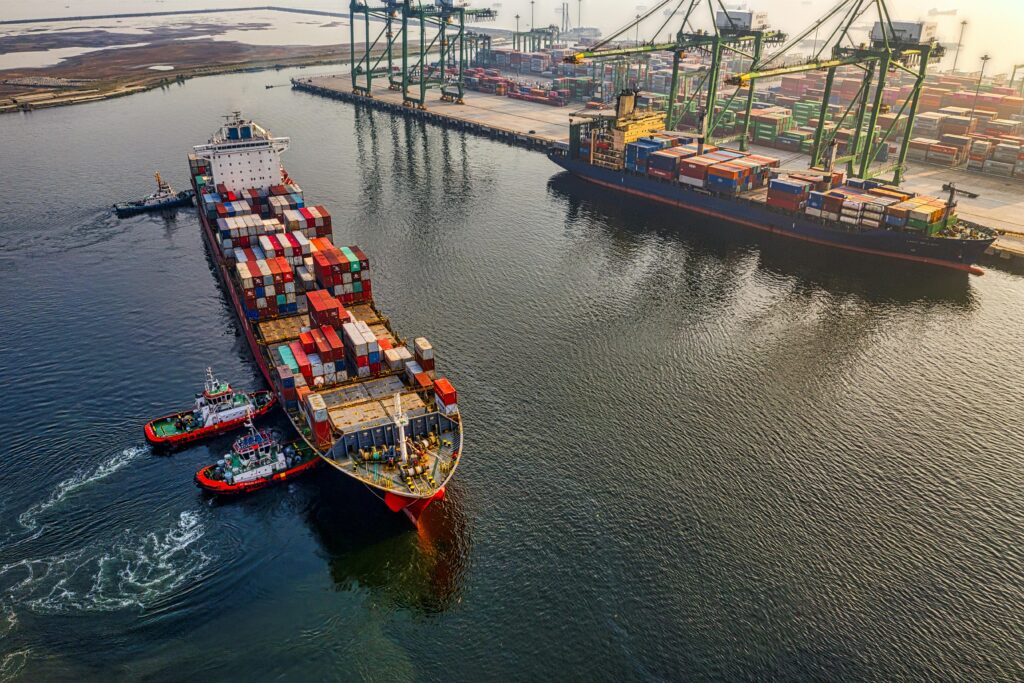
Cleaner Shipping Routes
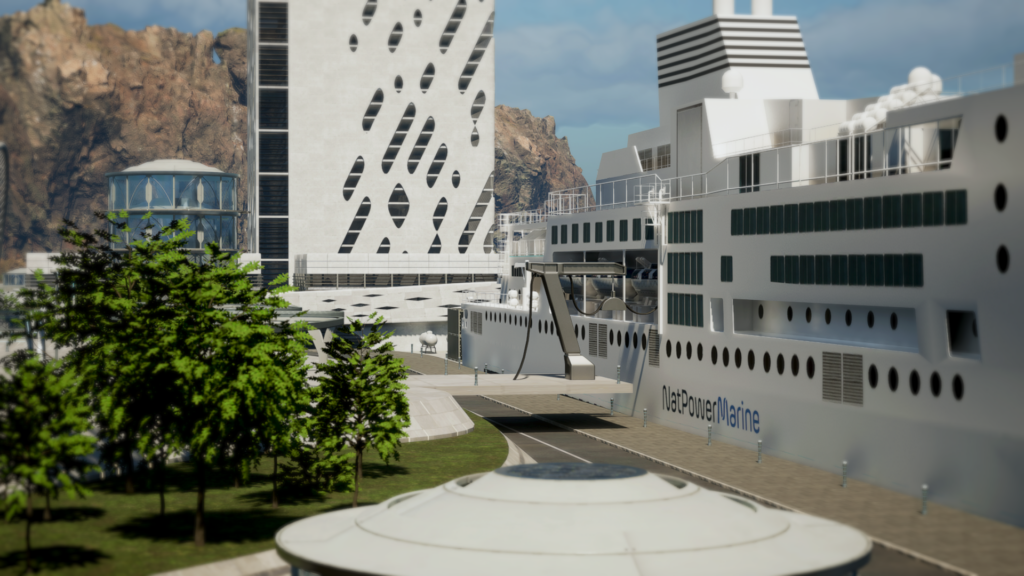
Hybrid Energy for Islands
We developed a hybrid renewable system combining solar, wind, and battery storage to power ferries and maritime infrastructure. This project cut diesel dependence and enhanced energy security for remote communities.
Exciting New Features Await!
Discover the latest enhancements designed to elevate your experience. Our innovative solutions are tailored to meet your needs, ensuring seamless integration and optimal performance.