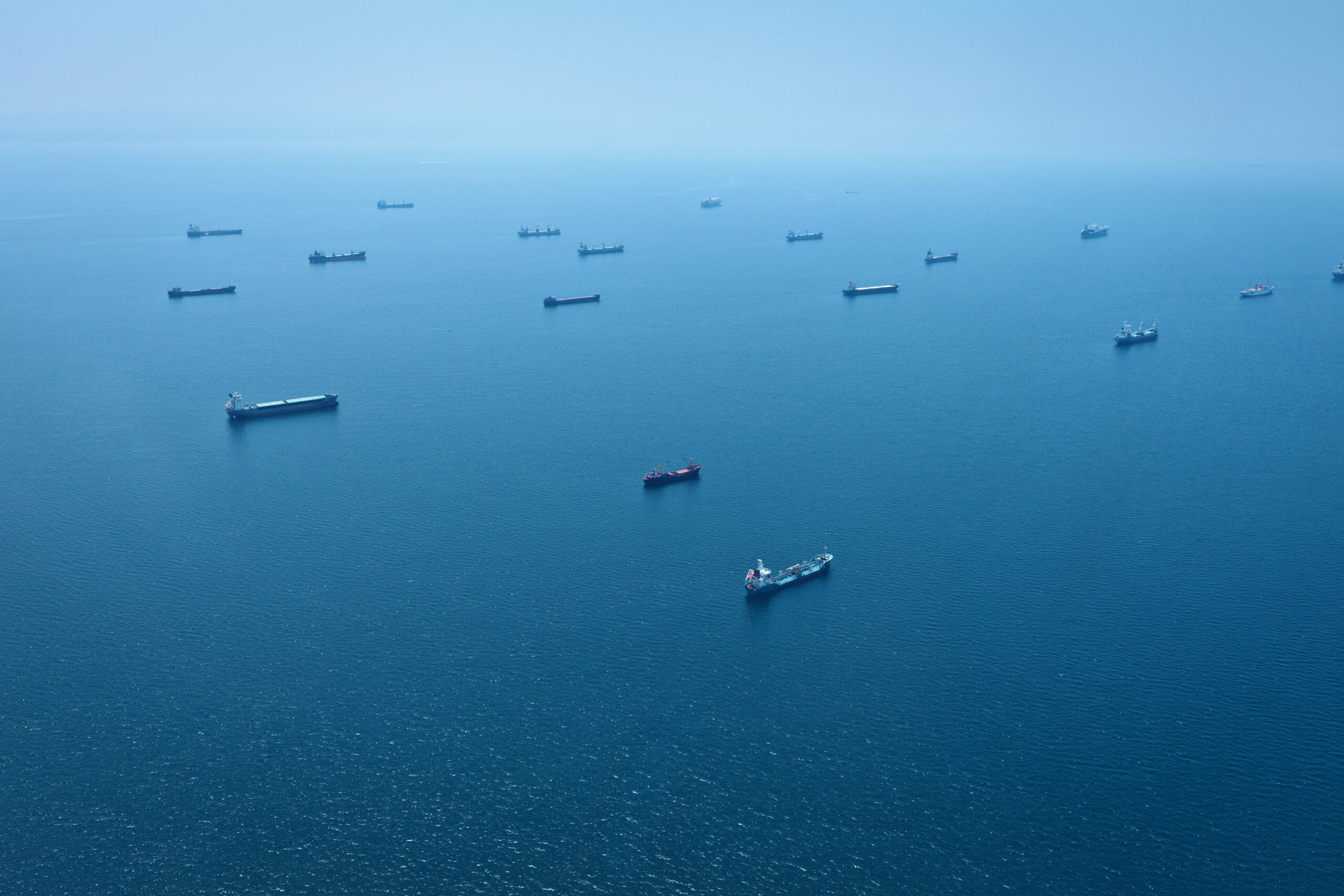
Shipping Lines
With the right infrastructure in place at ports and terminals worldwide, shipping lines will have the confidence to begin transitioning their fleets. Through our partnerships with forward-thinking ports, we support the transition of your fleet by unlocking shore power infrastructure for full electric propulsion and cold ironing in your key locations worldwide, whenever and wherever it’s required.
Our Solutions
Until now, the maritime energy transition has been stalled by a “chicken and egg challenge”. Despite being the cheapest and fastest solution in 80% of shipping cases, shipping lines cannot confidently invest in electrified vessels without a reliable global network of shore power charging facilities. At the same time, ports cannot invest in charging infrastructure without certainty of demand from shipping lines and may prioritise their core business over tackling electric fuel management.
That’s where NatPower comes in. We are taking a radically different approach to address this challenge, offering an intelligent approach to supply clean electricity for propulsion and cold ironing and removing the biggest barriers to change:
- We are investing to develop a global network of shore power infrastructure for propulsion charging and cold ironing where and when your fleet needs it the most.
- We optimise clean energy trading and management, automatically keeping your energy costs as low as possible.
- We understand the technical challenges of migrating a fleet and we partner with you to support your fleet conversion plan, harvesting savings and avoiding costly decisions.
We take care of our core business so you can take care of yours. Through our partnerships with forward-thinking ports, we intelligently provide clean energy where and when you need it most, freeing you up to transition your fleet towards net zero shipping.
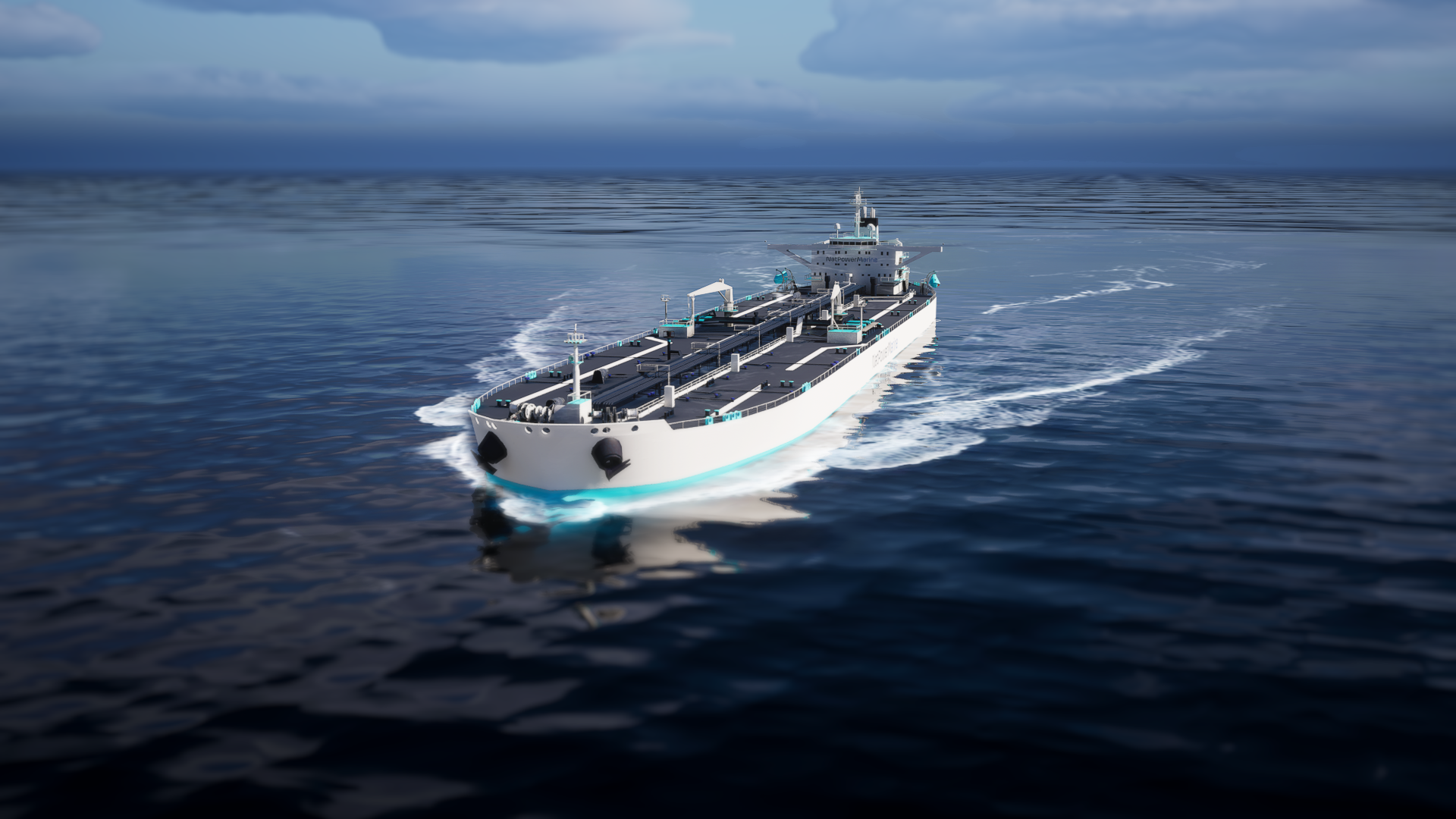
Propulstion charging and cold ironing
We take an intelligent approach to provide clean energy for propulsion charging for hybrid and full electric vessels – a cheaper, quieter and more sustainable way of operating any type of vessel in preparation for the new Emission Control Areas legal requirements and emission targets.
Locations: at Berth, at Anchor, at Sea
We deliver clean energy for propulsion and cold ironing with shore power infrastructure at Berth, at Anchorage, or at Sea. We provide berth-side delivery to vessels undergoing load or discharge, helping to maximise vessel turnaround time and improving CII index rating. We provide delivery nearshore or at anchorage during periods of congestion, ensuring vessels continue to operate sustainably. We are developing the e-bunker vessel for mobile charging.
Why transition to clean energy
As global marine trade accelerates – forecast to triple by 2050 – and increasingly stringent regulations seek to clean up shipping, shipping lines are under immense pressure to both expand operations while drastically cutting emissions.
The cheapest solution in 80% of shipping cases is going hybrid or full electric. To decarbonise the maritime sector shipping should use 4 petawatt-hours (PWh) of clean energy per year – equal to the annual electricity consumption of the USA.
We offer cheap, clean and intelligent electricity, addressing with one solution the needs for both electrified propulsion – responsible for around 80% of global shipping emissions – and cold ironing, eliminating the one sixth of shipping emissions produced by auxiliary engines for power whilst berthed at port.
The shift to clean energy in shipping is no longer optional; it’s a global mandate.
With regulatory pressure mounting, shipping operators must adapt or risk being left behind. In the US, the Clean Shipping Act targets zero-emission vessels by 2040. Across the UK and Europe, the Alternative Fuel Infrastructure Regulation and FuelEU Maritime are accelerating the rollout of clean fuelling infrastructure and enforcing tighter emissions limits. Meanwhile, the International Maritime Organization aims to cut greenhouse gas emissions by 70% by 2050.
Compliance is no longer just about meeting regulations. It’s key to maintaining access to global trade routes. The future of shipping is clean, regulated, and rapidly approaching.

5/6
of shipping emissions are produced whilst in navigation
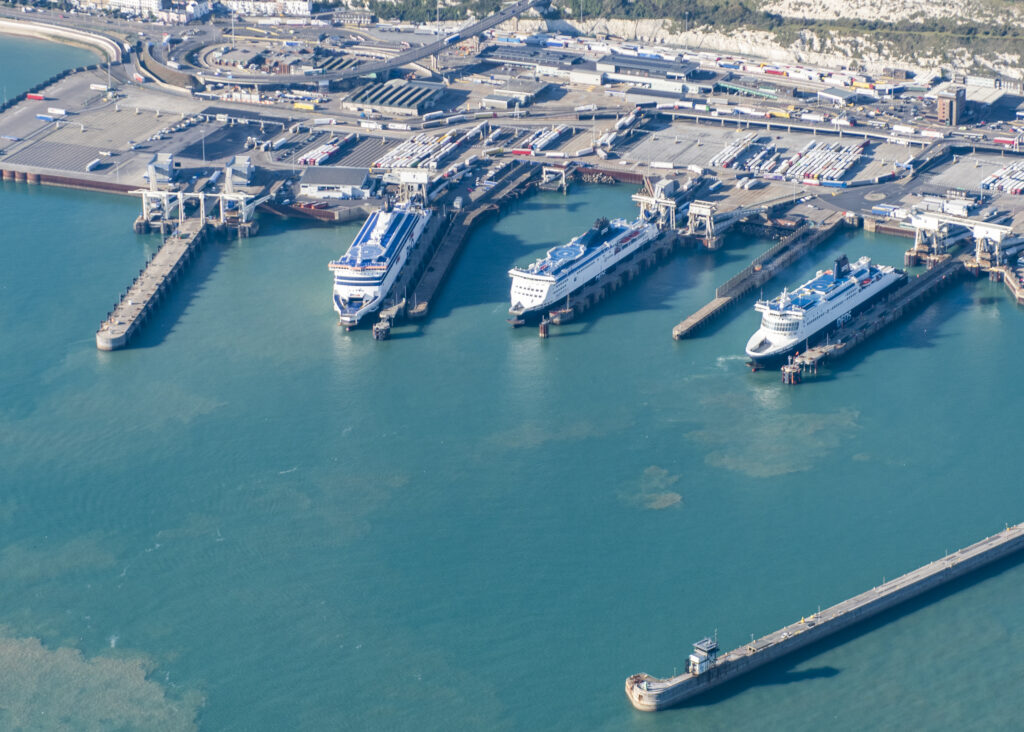
1/6
of shipping emissions are produced when ships are berthed at port

x3
global marine trade is forecast to triple by 2050
Tailored support, no matter your vessel type
Cruise
- Sustainable travel is becoming increasingly important for 81% of travellers
- Ports and cities globally are increasingly focused on improving air quality.
- Comply with regulation: e.g. -30% emission compared to 2008 by 2030, -70% by 2040, -100% by 2050 in UK
Ro/Ro
- Sustainable travel is becoming increasingly important for 81% of travellers
- Ports and cities globally are increasingly focused on improving air quality
- Comply with regulation
Ferry
- Consistent and predictable routes make for the perfect conditions for electrification.
- Growing demand for green travel from passengers
- Comply with regulation
Cargo
- Competitive advantage – offer your customers greener supply chains
- Less fuel volatility (fix energy costs)
- Comply with regulation
Service Vessel
- Consistent and predictable working pattern make for perfect conditions for electrification
Boost compliance and save money
The cost of burning fossil fuels is subject to shock in prices for events out of your control – from ever-tightening regulation to geopolitical shocks. This is a huge challenge for Shipping Lines that operate on wafer thin margins. In the EU alone, the cost of using fossil fuel is expected to more than double by 2030 thanks to two regulations – the EU Emissions Trading Scheme (ETS) and FuelEU Maritime Initiative (FEUM) – affecting all journeys to and from the EU. Other regions across the world are expected to follow suit in the coming years.
Cold ironing is already a legal requirement, and it helps to dramatically cut fossil fuel use, saving on fuel costs, improving CII ratings to comply with regulations, and increasing the efficiency of at-port operations.
As new Emission Control Areas create even greater legal requirements to cut emissions, electric propulsion creates a cheaper, less noisy and more sustainable way of operating any type of vessel.
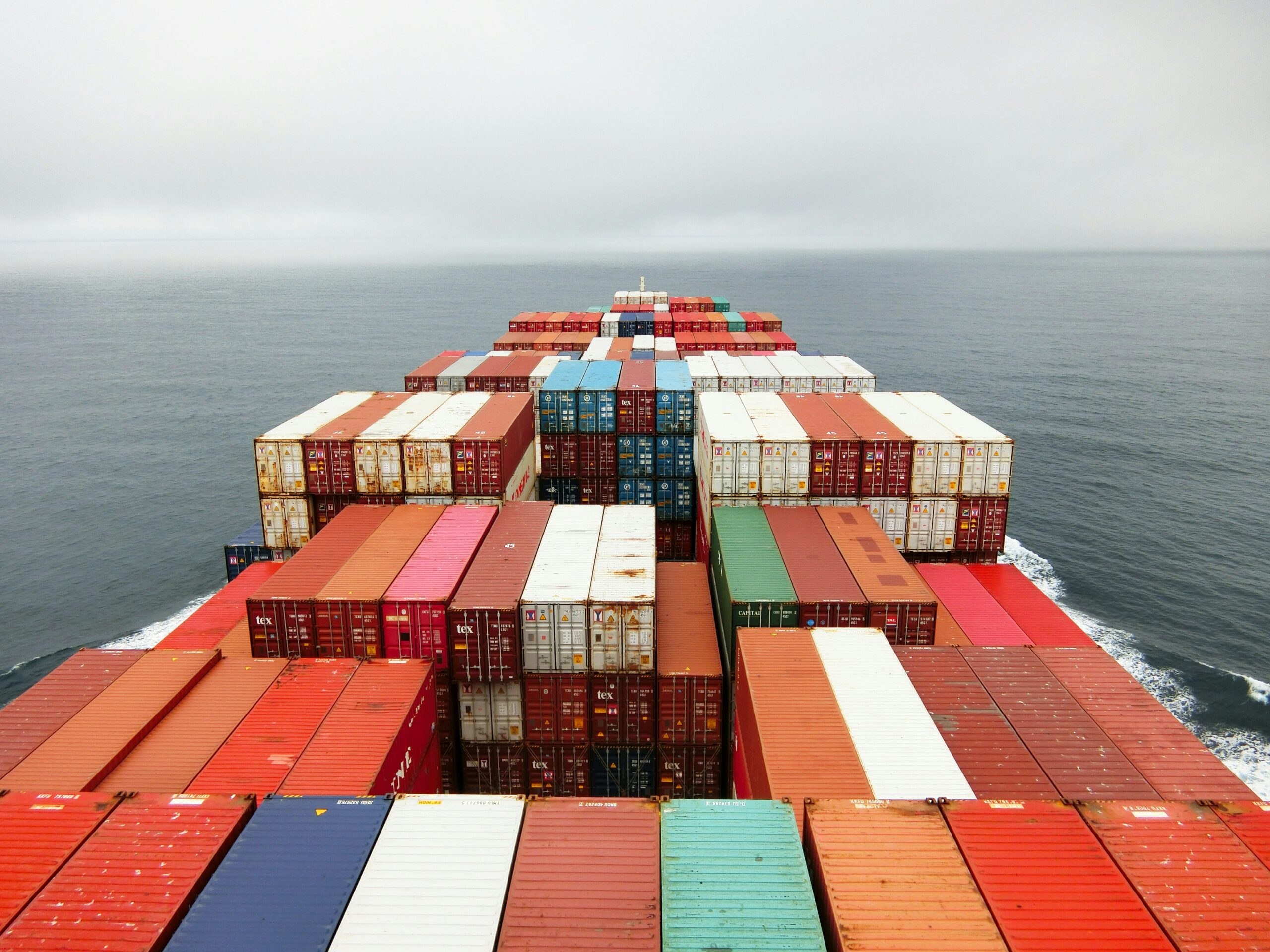
Comply with current and future regulations
Tightening regulations will result in significant financial penalties for non-compliance, making it critical to take action today.
There are legal requirements across all ports from 2025, which includes binding targets by 2030, 2040 and 2050.
Between 30-35% of SOx, NOx, and PMx emissions in port cities are generated by ships. CO2 emissions from fleets are 90% of Scope 3 Emissions for ports, meaning ports must also act to align with regulation.
As regulations increase globally, shipping operators must act urgently to adopt financially viable, future-proofed solutions. NatPower Marine is the supplier of choice for electric fuel.
Regulations include:
- EU
- UK
- China
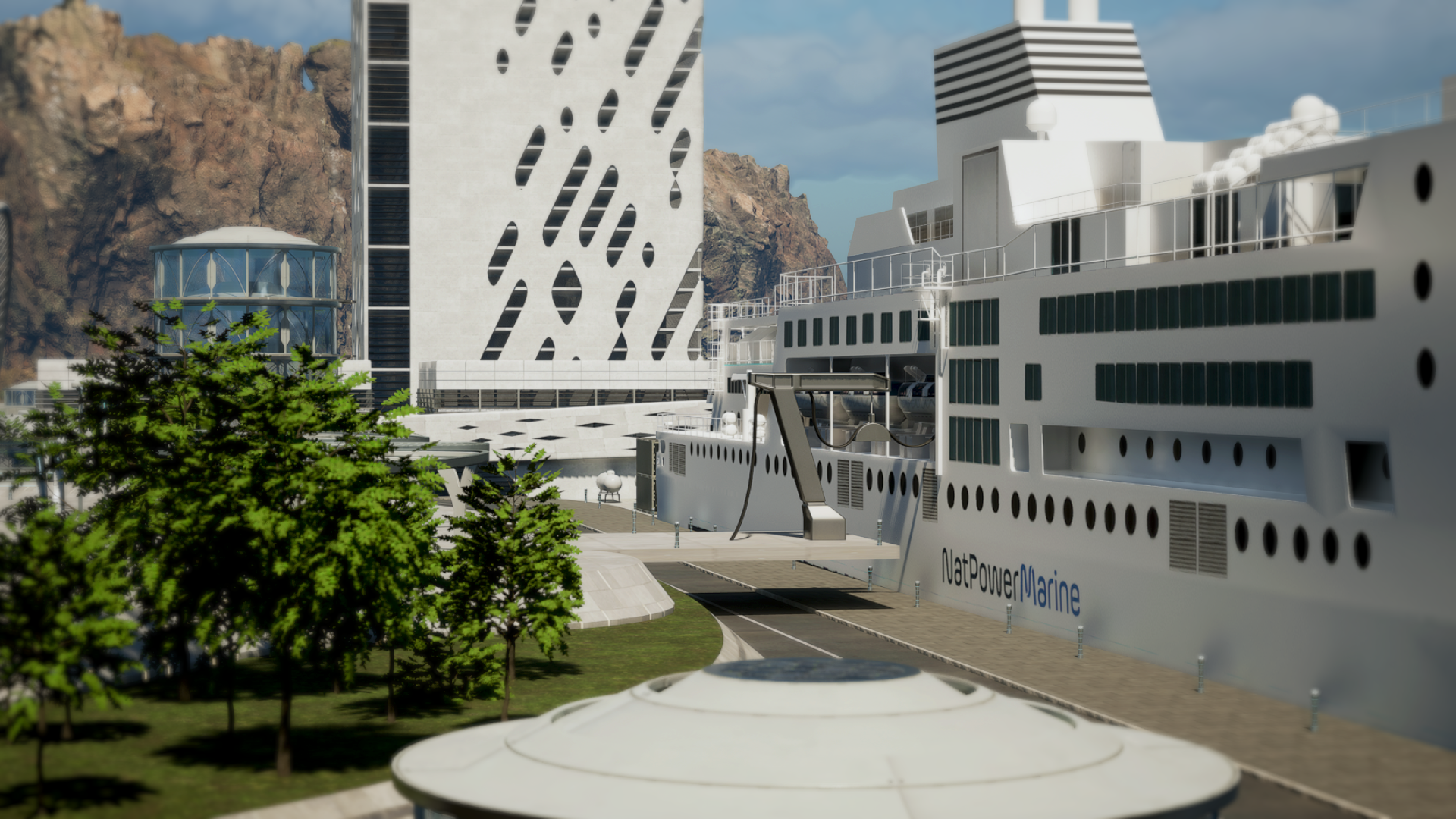
How long will the transition take?
Together, we can accelerate the creation of the network you need, deploying the future proof instrastructure, in the right place, at the right time, in line with your fleet electrification plan.
Our network is growing fast – discover our existing and planned locations:
2050
The internationally agreed date to achieve net zero shipping is just one vessel lifetime away, requiring urgent action today to plan your fleet conversion to hybrid of full-electric, with immediate targets from 2025, by 2030, by 2040, which require immediate actions.
2030
To support this rapid transition, we are leveraging our significant financial backing to build our global network at scale and pace. By 2030 we plan to invest £3 billion in ship charging infrastructure across 120 ports locations worldwide.
Let’s start migrating your fleet
We can support your fleet migration toward electrification for both cold ironing and propulsion in several ways.
- Analyse the potential for electrification ship by ship, with a cost-benefit analysis
- Define a fleet conversion plan linked to the dry dock plans
- Define the route electrification costs with dedicated supply contracts
Validate the existing electrification program by ship, to avoid mistakes preventing utilisation of infrastructure which will result in penalties.